Age verification that doesn't require a date of birth
T3 Verify proves a user meets an age threshold without collecting, storing, or transmitting the underlying date of birth.
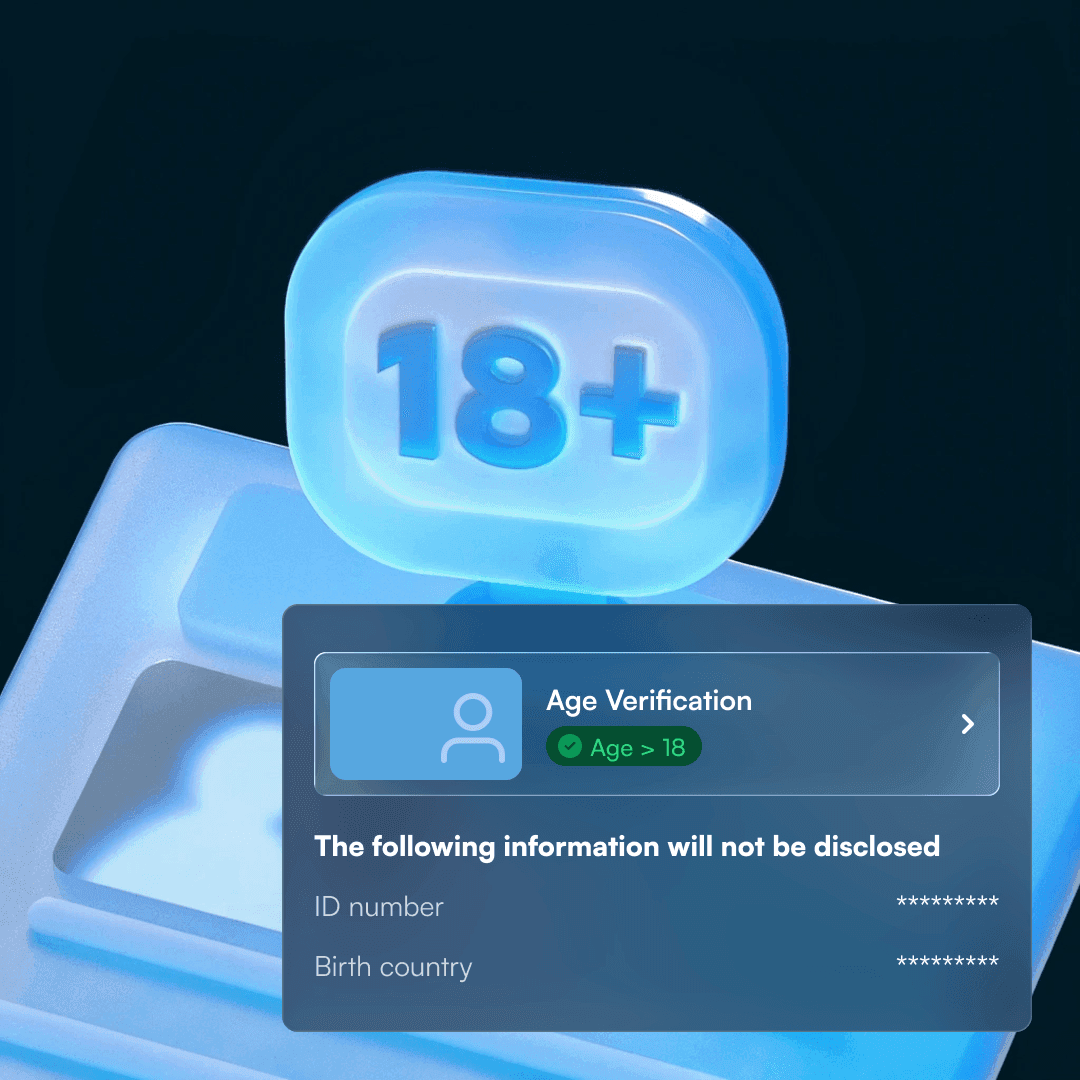
You're collecting a date of birth you'll never need again
Platforms only need one answer: is this user old enough? The date of birth behind that answer has no ongoing business purpose, yet most platforms store it, creating a compliance liability that grows over time.
Data collected once, liable forever
Storing a date of birth means managing it for GDPR data subject requests, securing it against breach, and navigating data residency requirements. None of those obligations existed before the collection event.
Self-declaration has no compliance posture
Most age gates are bypassed by typing a false date. Regulators — ICO, FTC, EU under the AADC — are moving toward verified, not declared, age. Platforms that rely on checkbox consent have no defensible compliance position.
ID upload abandonment kills conversion
Asking users to upload a passport or driver's license introduces friction at the moment that matters most: sign-up. Verification flows that require document upload see significantly higher abandonment than proof-based flows.
Age verification that proves without disclosing, and secures without storing
Prove age without revealing it
A cryptographic proof confirms the user meets the age threshold. The platform receives a pass or fail result, without a date of birth, a scan, or a file to store and eventually delete.
No PII to breach, no compliance liability to manage
T3 stores nothing after the credential is issued. There is no date of birth in T3's infrastructure to produce for a data subject access request, secure against breach, or manage for data residency requirements.
Works across every threshold and jurisdiction
Whether the gate is 13, 16, 18, or 21, T3 Verify is configurable for any eligibility threshold. The same infrastructure handles COPPA-regulated platforms, gaming, alcohol retail, and financial services.
One credential, reusable across platforms
A user verified once carries a credential they present on any T3-integrated platform. No re-upload, no repeated friction at the conversion point that matters most.
The tools that power age verification
T3 Verify handles issuance, proof generation, and verification, with nothing stored after the check.
Verification converts into a credential rather than a stored record
T3 Verify issues a signed age credential after identity verification. The credential asserts the user meets the threshold. No date of birth is retained. The platform receives a proof, not a data file. Nothing is stored in T3's infrastructure after issuance.
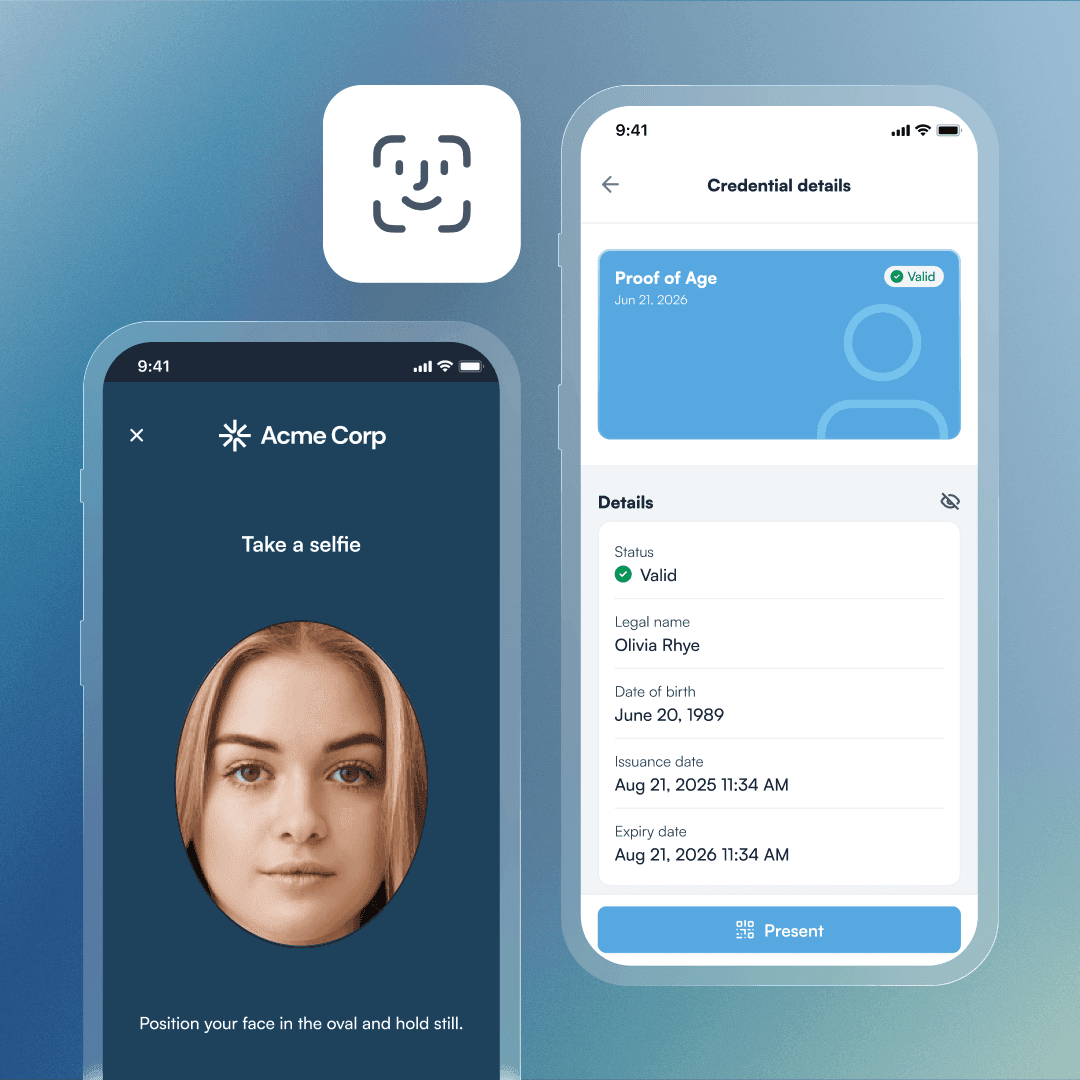
Privacy-preserving age verification at scale
W3C Verifiable Credentials
Age credentials follow the W3C VC data model. Any platform running OpenID for VCs can accept them with no proprietary SDK or bilateral integration required.
Zero-knowledge proof architecture
The age check executes as a ZK proof: the claim (user is over 18) is verified without the verifier learning the underlying date of birth. Privacy is structural, not a policy setting.
Quantum-resistant signing
Credentials are signed using FIPS 204 post-quantum cryptography. Age credentials remain valid against future cryptographic threats, including harvest-now-decrypt-later attacks.
Integrate zero-data age verification into your platform
One API call returns a pass/fail result. No date of birth transmitted, no record stored, no consent trail to manage.
Built for platforms operating under strict data minimization requirements
We take security seriously and have implemented robust measures to protect your data.


Stop collecting data you don't need and the liability that comes with it
Talk to our team about zero-data age verification for your platform.