KYC/AML compliance without the data risk
T3 converts KYC verification into a portable credential. Institutions satisfy their compliance obligations and retain cryptographic proof of every check — without holding the PII that creates breach, erasure, and audit exposure.
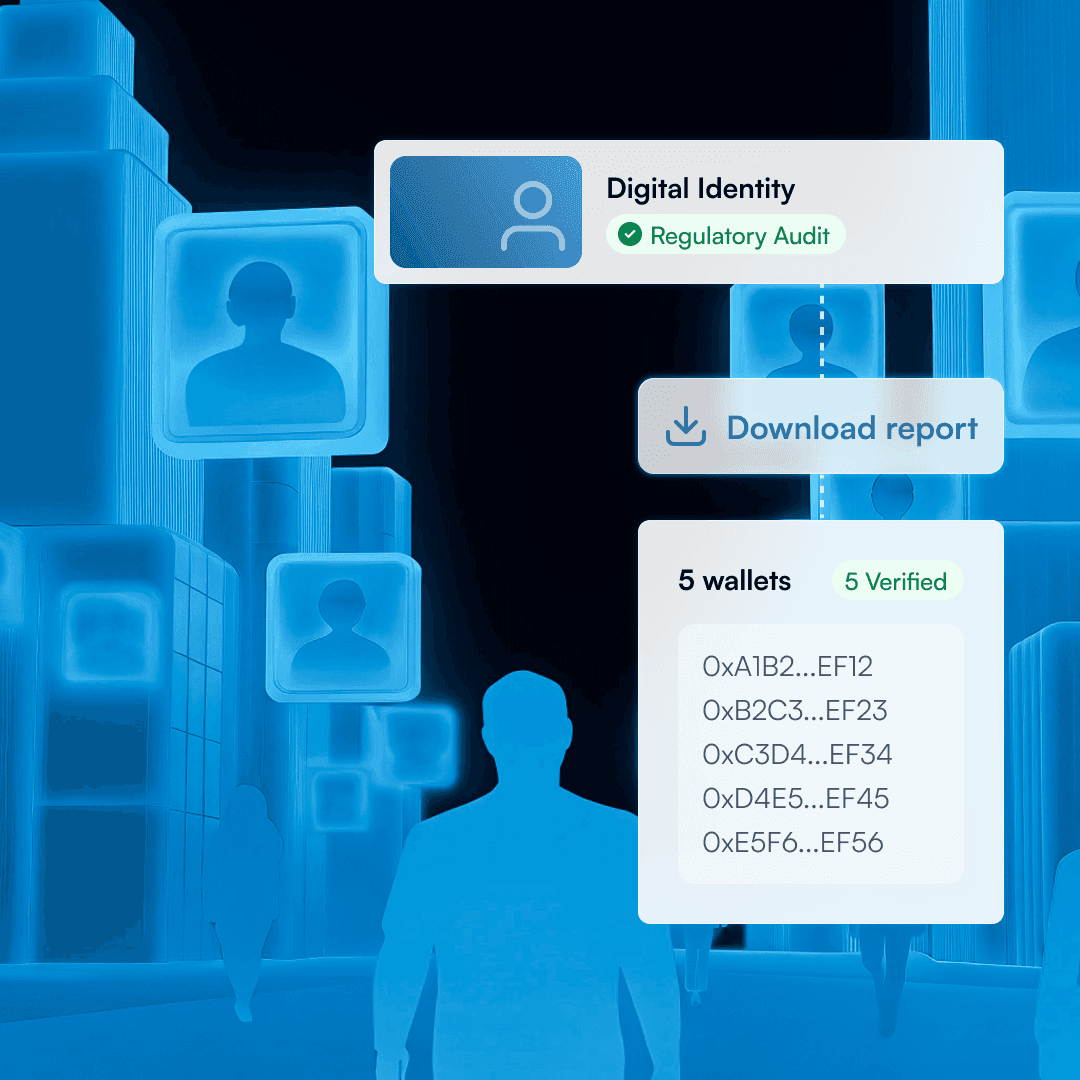
KYC compliance is creating the data liability it's meant to prevent
Every customer relationship starts with a check. The output of that check gets stored. That stored data is then subject to breach, access requests, residency rules, and an audit obligation that compounds every year the relationship continues.
The same customer is re-verified at every institution they join
There is no portable form for the output of a KYC check. Every new institution, every new division, every new product relationship starts from scratch with the same customer, the same documents, and the same accumulated data liability.
AML monitoring expands the PII estate continuously
Ongoing screening, periodic re-verification, and transaction monitoring each add new data touches and new copies of customer information. The breach surface compounds over time, not just at onboarding.
GDPR erasure and AML retention pull in opposite directions
GDPR requires you to delete customer data on request. AML regulations require you to retain it for five to seven years. When PII is what you hold, that conflict has no clean resolution.
Satisfy KYC and AML obligations without the liability they normally create
Satisfy KYC obligations without storing the underlying records
T3 converts KYC verification into a portable credential held by the customer. Institutions fulfill the KYC obligation and retain a cryptographic proof of the check. The raw document store that creates breach exposure never forms.
AML credentials that travel with the customer relationship
AML risk classification and screening history can be encoded in a credential that follows the customer to any accepting institution. The receiving institution inherits prior due diligence without receiving the raw data behind it.
Re-verification triggered by risk status, not by calendar
Credentials expire on configurable schedules and revoke automatically when AML monitoring events trigger them. When a SAR is filed or a risk classification changes, the credential updates or revokes immediately — no periodic manual re-run required.
GDPR right-to-erasure without destroying your audit trail
When a customer exercises their right to erasure, T3 revokes the credential and deletes the T3-held metadata. The cryptographic proof of the completed KYC check remains with the institution. Audit trail survives. GDPR obligation satisfied. The AML retention conflict disappears.
The tools that power portable KYC/AML
T3 Identity and T3 Verify work together. Issuance converts the check into a credential; verification confirms compliance status without receiving the data.
KYC converts into a credential rather than an accumulated record
T3 Identity converts KYC verification into a W3C Verifiable Credential signed by the issuing institution. The customer holds the credential. T3 Network stores no raw PII. The institution retains cryptographic verification and revocation rights without holding the underlying PII that creates compliance exposure.
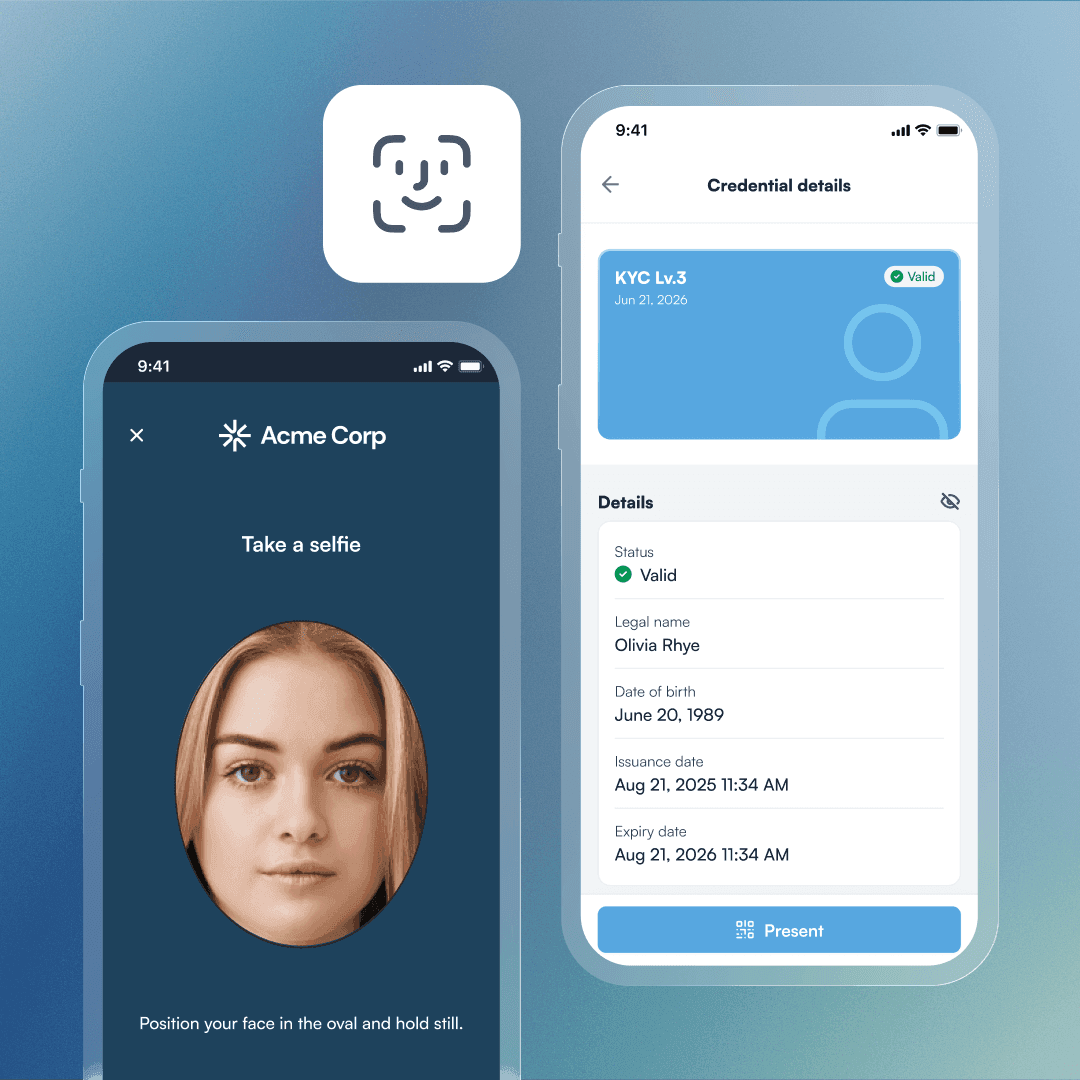
Infrastructure-grade KYC/AML portability
W3C Verifiable Credentials
KYC/AML credentials follow the W3C VC data model. Any institution running OpenID for VCs or a DID-compatible layer can verify them without bilateral integration or closed network membership.
Selective disclosure for AML claims
Credentials can disclose specific AML claims — risk tier, screening status, due diligence date — without revealing the full credential content. Receiving institutions learn what they need; the underlying screening history stays with the issuer.
Quantum-resistant signing
Credentials are signed using FIPS 204 post-quantum cryptography. KYC/AML records remain cryptographically valid against future threats, including attacks targeting financial compliance infrastructure.
Integrate portable KYC/AML credentials into your compliance stack
T3 wraps your existing KYC and AML providers. Issue credentials from the checks you already run — no new onboarding flows, no new document stores.
Built for institutions that operate across regulated jurisdictions
We take security seriously and have implemented robust measures to protect your data.

Dealing with multi-jurisdictional onboarding, correspondent banking, or banking group portability?
KYC and AML compliance — without the data risk
Talk to our team about portable credential infrastructure for your compliance stack.